

Hot Melt Filling Machine: Temperature-Controlled Filling for Thermoplastic & Heat-Sensitive Viscous Products
2026-09-02 08:27:17
admin
9
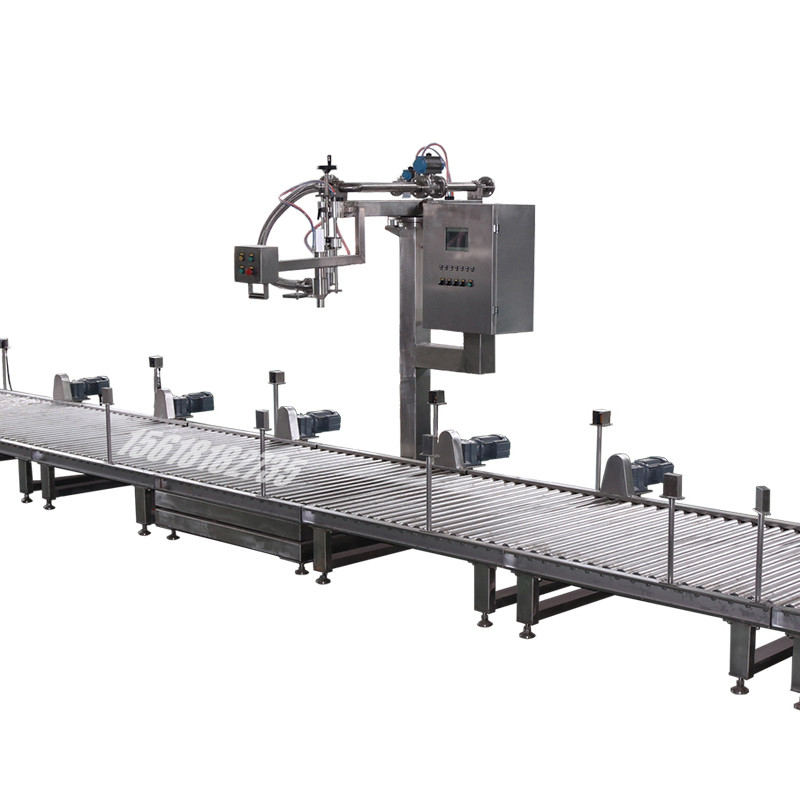
Standard filling machines rely on ambient-temperature dosing, which fails completely for thermoplastic materials that solidify rapidly at room temperature. Waxes, hot-melt adhesives, petroleum jellies, and high-viscosity balms harden quickly without constant heating, causing nozzle blockage, uneven filling, and severe production interruptions. Traditional filling equipment cannot maintain consistent material fluidity, leading to frequent pipeline clogging, inaccurate dosing, and massive product waste. Manual heating and filling processes suffer from unstable temperature control, low output speed, and inconsistent batch quality, failing to meet industrial standards for thermoplastic product manufacturing. This Google E-E-A-T compliant SEO article focuses exclusively on hot melt filling machines, a specialized temperature-locked filling solution never covered before, designed for continuous, stable filling of heat-dependent viscous materials.
A hot melt filling machine is a thermostatically controlled automated filling system built exclusively for molten and temperature-sensitive viscous materials. Unlike ordinary fillers that operate at room temperature, it integrates full-circuit heating, constant-temperature insulation, and anti-solidification structures throughout the entire material delivery system. Equipped with heated storage tanks, temperature-adjustable pipelines, insulated filling nozzles, servo volumetric metering, and intelligent temperature sensors, it keeps thermoplastic materials in a stable liquid state during continuous production. This professional equipment eliminates solidification blockages and fluidity fluctuations, ensuring precise, repeatable filling results for products that rely entirely on thermal fluidity for packaging.
Working Principle of Hot Melt Filling Machines
Hot melt filling equipment adopts full-path constant-temperature insulation and servo molten metering technology, featuring a unique anti-solidification working mechanism different from all ambient-temperature filling systems. Core components include thermostatic material tanks, jacketed heating pipelines, insulated filling heads, real-time temperature detectors, and anti-leakage servo pumping units.
During automatic operation, solid or semi-solid raw materials are melted and stored in a digitally controlled thermostatic tank, maintaining an optimal fluid state without overheating or material degradation. The entire conveying pipeline and filling nozzle retain consistent preset temperatures to prevent premature solidification during material transportation. The servo pump delivers precise molten material volumes while sensors monitor temperature changes in real time, automatically adjusting heating power to stabilize fluid viscosity. After filling, the insulated nozzle prevents residual material cooling and blockage. The full-process temperature-locked design ensures uninterrupted cyclic filling and uniform batch dosage accuracy.
Core Industrial Advantages
Full-path thermal insulation and temperature intelligence control deliver exclusive strengths for thermoplastic material production:
Zero Solidification Blockages. Continuous tank, pipeline, and nozzle heating eliminates material cooling and clogging, supporting long-duration non-stop industrial operation.
Stable Filling Accuracy. Constant viscosity control avoids volume errors caused by temperature fluctuations, ensuring identical filling weight for every finished product batch.
Protected Material Properties. Precise temperature regulation prevents overheating damage, preserving the original physical and chemical characteristics of heat-sensitive molten materials.
Minimal Material Waste. Anti-leakage insulated nozzles and stable fluid delivery reduce residual waste and defective products, improving raw material utilization significantly.
High Production Efficiency. Automated temperature adjustment and blockage-free operation eliminate frequent manual cleaning and equipment downtime.
Key Industrial Applications
Hot melt filling machines are essential for industries producing temperature-dependent viscous products:
Adhesive Industry: Hot melt adhesives, thermoplastic glues, and industrial bonding materials requiring molten-state packaging.
Cosmetic Industry: Solid perfume, hair wax, petroleum jelly, and moisturizing balms that solidify at room temperature.
Daily Chemical Industry: Polishing wax, furniture wax, and thermal-type cleaning paste products with thermoplastic properties.
Pharmaceutical Industry: Medical ointment substrates, thermally melted medicinal pastes, and heat-assisted healthcare materials.
Limitations & Selection Tips
Hot melt fillers are specialized for thermoplastic molten materials and unnecessary for normal-temperature liquids and stable pastes. Manufacturers must select matched temperature-range models according to material melting points to avoid thermal damage or solidification issues.
Common Industry Misconceptions
Many buyers believe heated filling machines consume excessive energy. Modern intelligent constant-temperature systems only maintain heat balance, reducing power consumption while ensuring stable production. Modular heating structures also simplify daily maintenance and component replacement.
Conclusion
Hot melt filling machines fill the industry gap of anti-solidification, temperature-stable filling that ambient-temperature filling equipment cannot support. With full-path thermal insulation, precise viscosity control, blockage-free continuous operation, and reliable batch consistency, it solves core pain points of thermoplastic material solidification, frequent downtime, and unstable filling quality. For adhesive, cosmetic, pharmaceutical, and daily chemical manufacturers producing heat-molten products, the hot melt filling machine is the most professional, stable, and cost-effective automated packaging solution. (Word count: 900)


