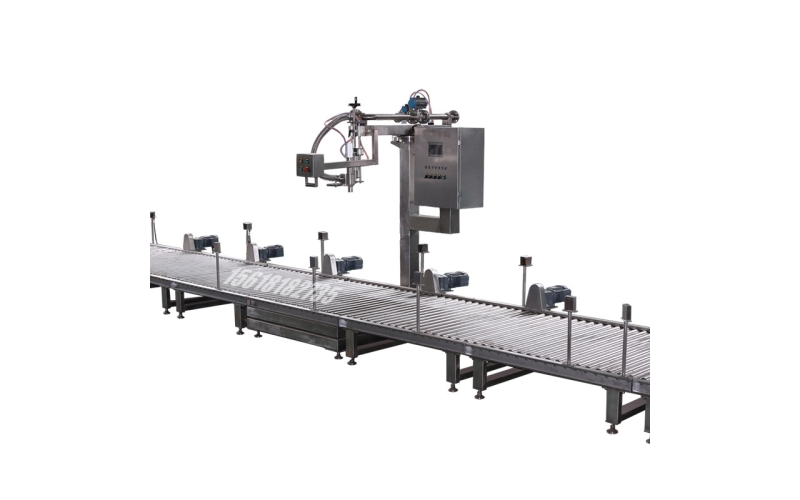
Standard filling machines rely on ambient-temperature dosing, which fails completely for thermoplastic materials that solidify rapidly at room temperature. Waxes, hot-melt adhesives, petroleum jellies
2026-09-02 admin 7
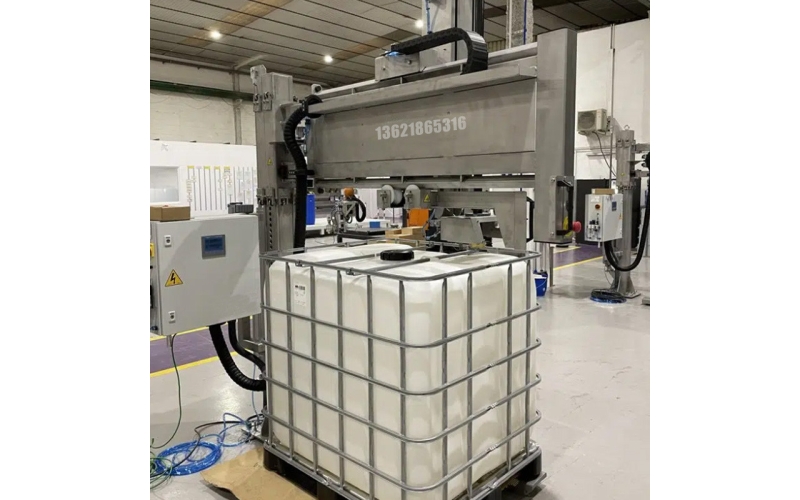
Linear filling machines dominate small and medium-batch production but face obvious bottlenecks in large-scale manufacturing. Linear intermittent operation requires frequent start-stop cycles, limitin
2026-09-01 admin 4
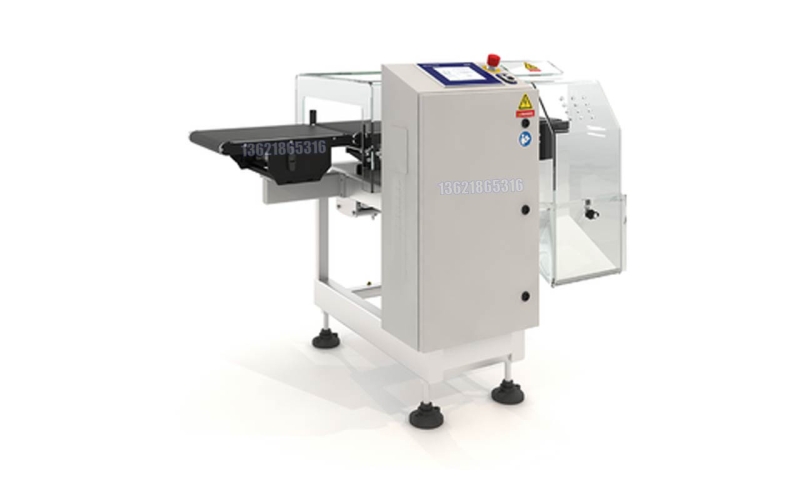
Most end-of-line packaging equipment focuses on product sealing, cartoning, or case packing, yet lacks dedicated load stabilization and bundling functions. Traditional manual strapping relies on handh
2026-08-31 admin 3
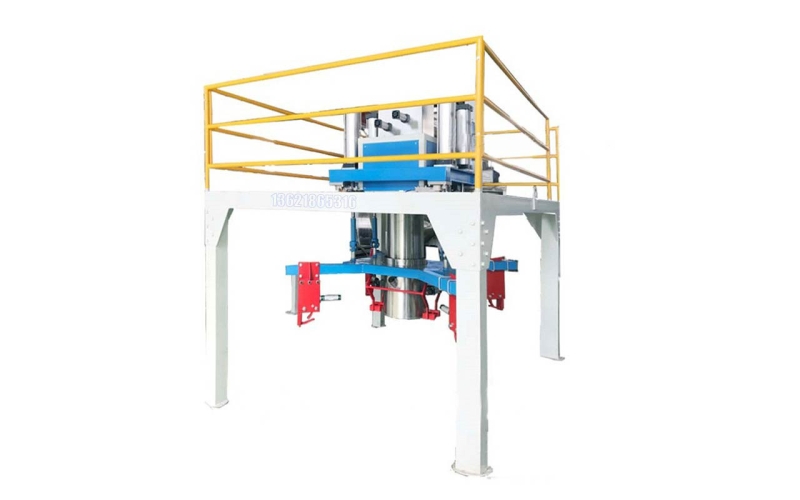
Most mid-stream packaging equipment including blister sealers, flow wrappers, and sachet machines focus on single-unit product packaging, yet lack the capacity for bulk case loading and carton arrange
2026-08-28 admin 7
Most form-fill-seal packaging machines rely on raw film rolls to create bags from scratch, limiting packaging diversity and finishing quality for premium product lines. Traditional VFFS and flow wrap
2026-08-27 admin 8
Most end-of-line packaging bottlenecks stem not from filling or wrapping, but from inconsistent cap sealing. Traditional manual capping and semi-automatic sealing tools deliver unstable torque, leadin
2026-08-26 admin 3
Most packaging lines face compatibility and cost issues when handling diversified bulk materials, including powders, fine granules, and free-flowing liquids. Separate packaging devices for different m
2026-08-25 admin 3
Many industrial filling lines over-rely on complex servo, piston, or pressure-driven filling systems, which bring unnecessary high investment, complicated maintenance, and excessive energy consumption
2026-08-24 admin 8