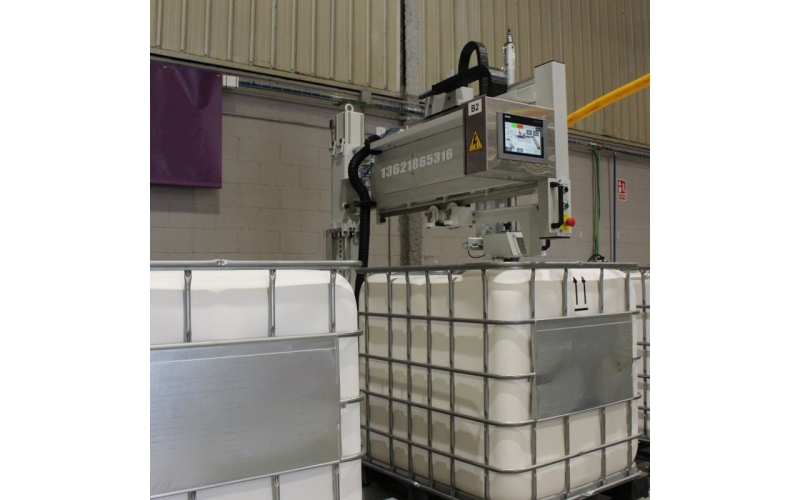
Most industrial filling equipment is designed for liquids, pastes, or ultra-fine powders, leaving a critical gap for free-flowing granular solids. Auger powder fillers often cause particle crushing an
2026-09-02 admin 8
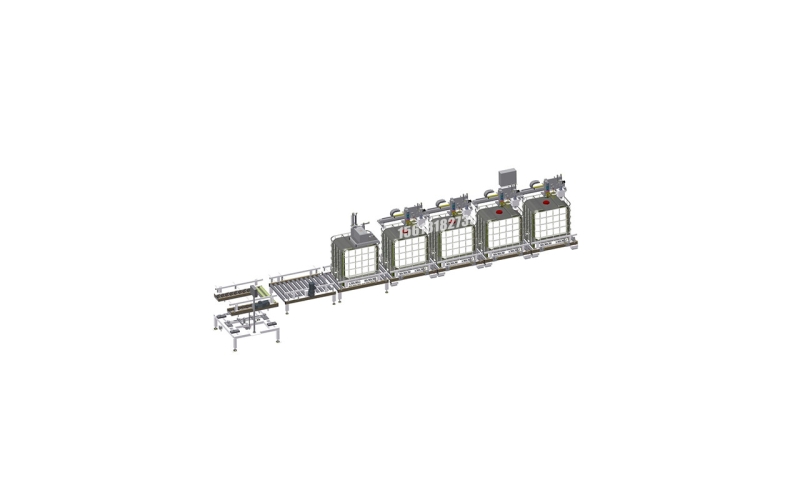
Traditional bottle filling machines are engineered exclusively for rigid containers such as glass, PET bottles, and plastic jars, making them incompatible with flexible stand-up pouches and spouted ba
2026-09-01 admin 8
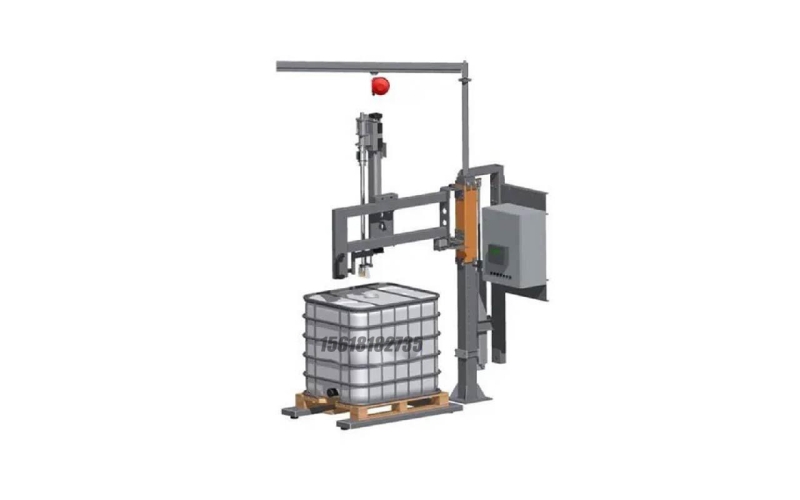
Most industrial filling machines rely on volumetric metering, calculating doses based on fixed liquid volume. This traditional method faces unavoidable accuracy deviations caused by temperature fluctu
2026-08-31 admin 3
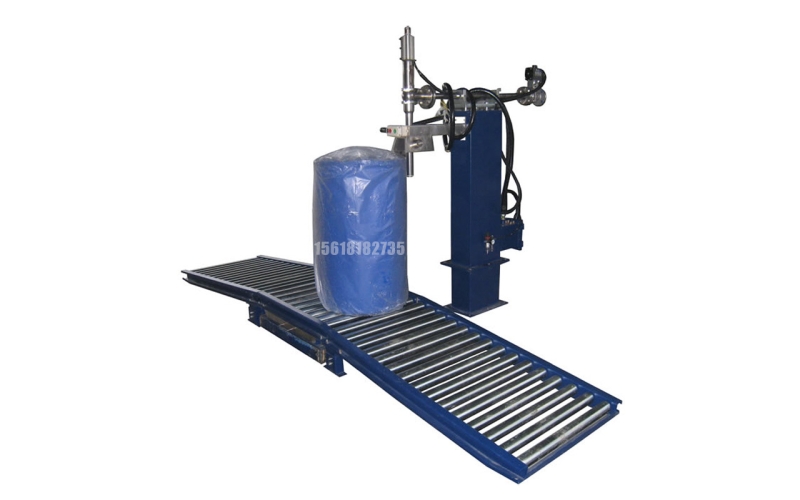
Traditional paste and liquid filling machines focus only on container dosing and lack professional tube shaping, tail sealing, and batch coding functions. Standard fillers cannot handle collapsible pl
2026-08-28 admin 10
Most industrial filling machines rely on gears, pistons, or pressurized chambers that expose mechanical components directly to liquid materials. These contact-based structures cause metal abrasion res
2026-08-27 admin 6
Standard gravity, piston, and overflow filling machines struggle severely with carbonated beverages and pressurized foamy liquids. These conventional fillers cannot stabilize internal air pressure dur
2026-08-26 admin 4
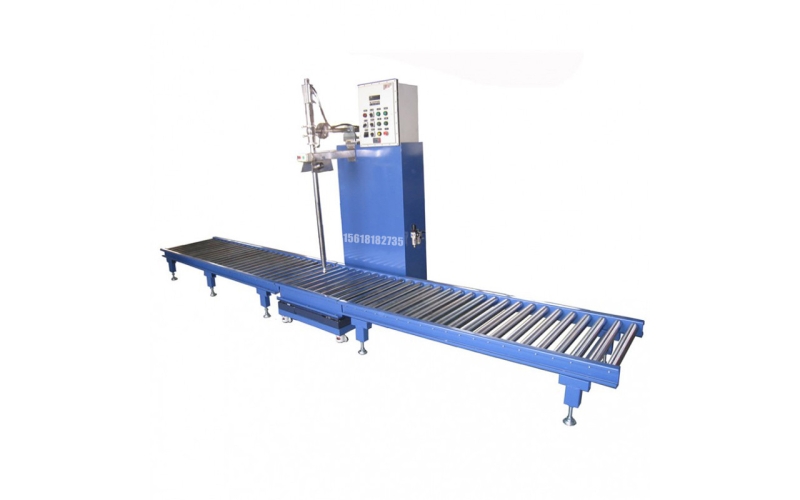
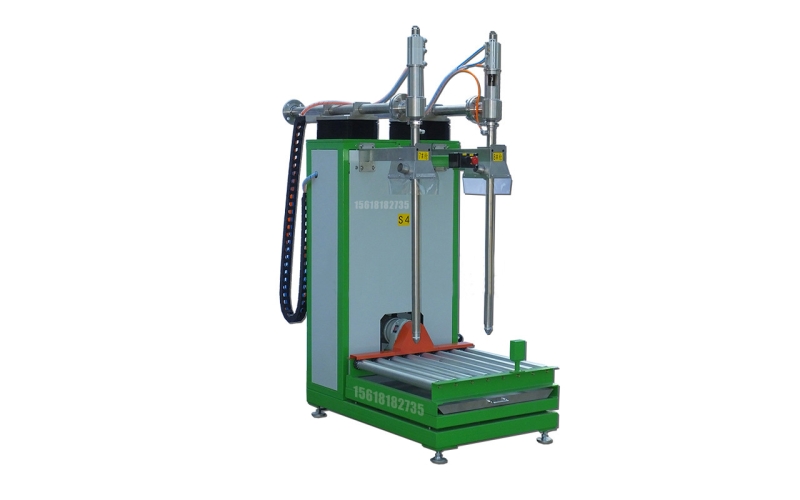
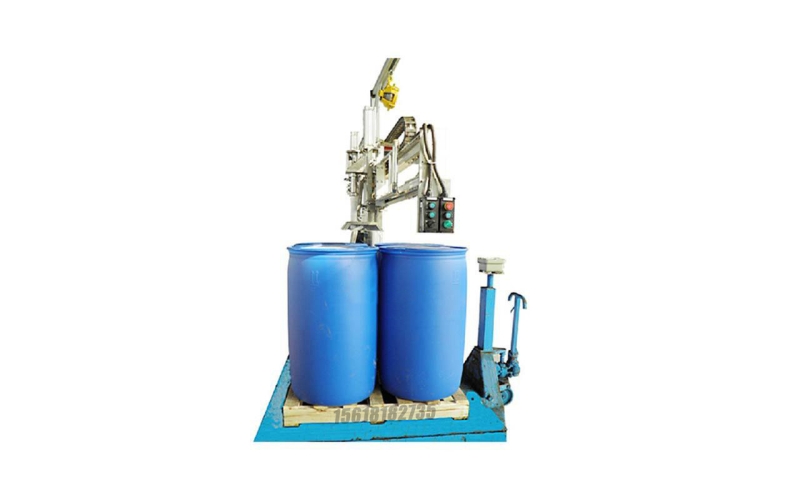
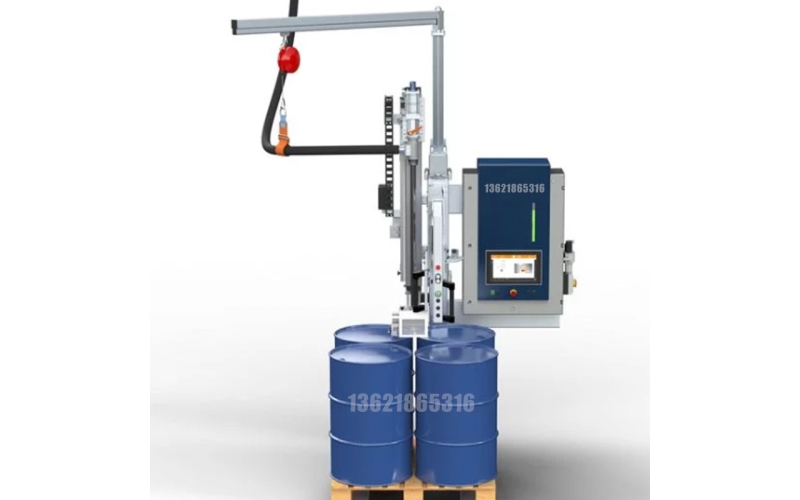
Most industrial filling systems rely on volumetric measurement, calculating dosage based on fixed liquid volume rather than actual product weight. This traditional method causes unavoidable quality de
2026-08-25 admin 5
Fully automatic filling lines deliver high-speed mass production, yet they come with hefty upfront investment, fixed line layouts, and rigid SKU switching limits that burden small factories, startup w
2026-08-24 admin 1