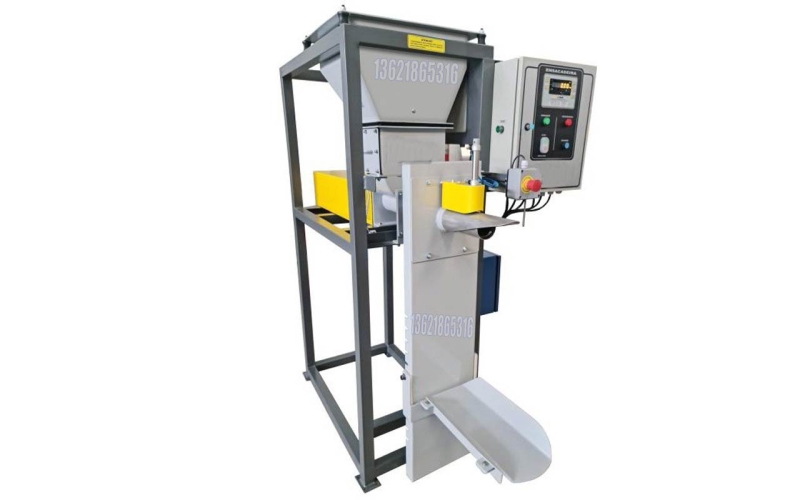
Most conventional packaging machines produce flexible pouches, sealed bags, or wrapped films that fail to offer rigid, individualized protection for small precision products. These soft packaging solu
2026-09-02 admin 7
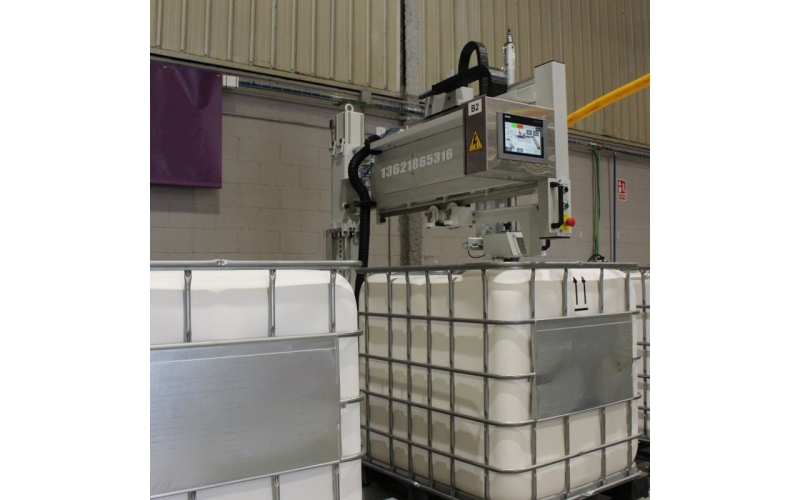
Most industrial filling equipment is designed for liquids, pastes, or ultra-fine powders, leaving a critical gap for free-flowing granular solids. Auger powder fillers often cause particle crushing an
2026-09-02 admin 8
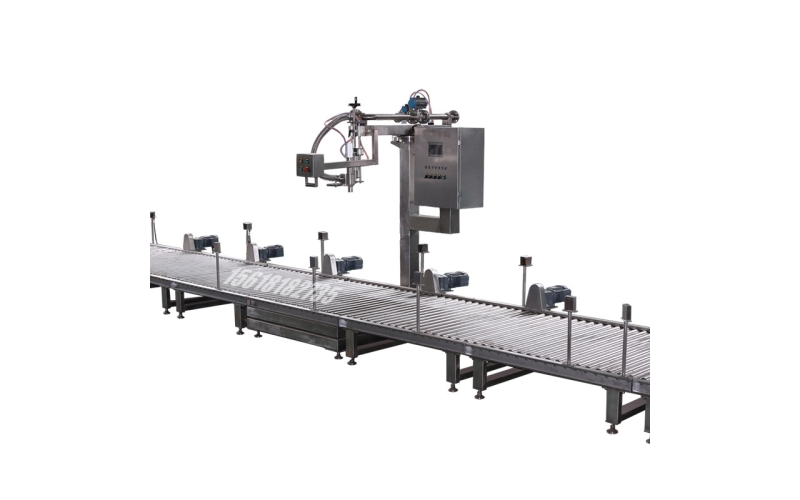
Standard filling machines rely on ambient-temperature dosing, which fails completely for thermoplastic materials that solidify rapidly at room temperature. Waxes, hot-melt adhesives, petroleum jellies
2026-09-02 admin 7
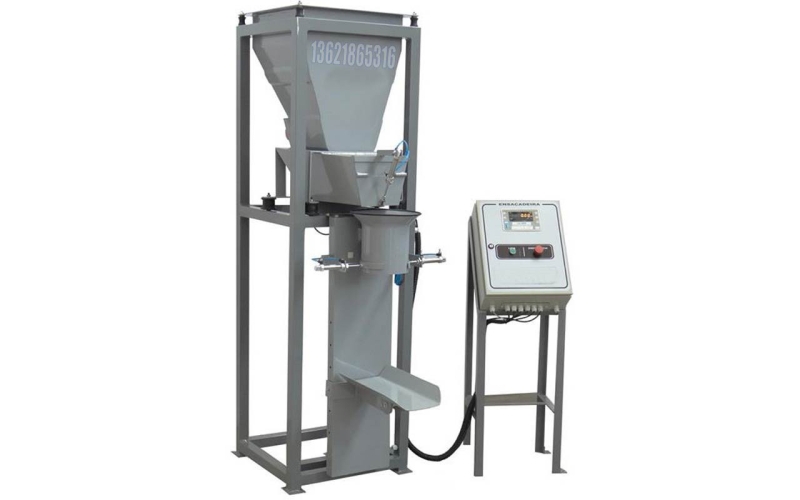
Standard filling and sealing packaging machines focus on single-unit product wrapping but fail to deliver tight bundling, dustproof protection, and tamper-proof packaging for batch goods. Traditional
2026-09-01 admin 7
Traditional bottle filling machines are engineered exclusively for rigid containers such as glass, PET bottles, and plastic jars, making them incompatible with flexible stand-up pouches and spouted ba
2026-09-01 admin 8
Linear filling machines dominate small and medium-batch production but face obvious bottlenecks in large-scale manufacturing. Linear intermittent operation requires frequent start-stop cycles, limitin
2026-09-01 admin 4
Standard liquid filling machines struggle drastically with carbonated and gas-infused beverages, as atmospheric filling triggers violent foaming, gas loss, and inconsistent fill levels. Volumetric, gr
2026-08-31 admin 3
Most industrial filling machines rely on volumetric metering, calculating doses based on fixed liquid volume. This traditional method faces unavoidable accuracy deviations caused by temperature fluctu
2026-08-31 admin 3