Most standard filling machines are engineered for rigid bottles, jars, and cans, making them incompatible with flexible plastic, laminate, and aluminum tubes widely used in daily consumer and medical
2026-08-21 admin 8
Fully automatic filling lines dominate large-scale industrial production, yet they often prove overpriced, inflexible, and overly complex for small manufacturers, startup factories, and custom batch p
2026-08-21 admin 8
Most vertical packaging and shrink wrapping equipment struggles with irregularly shaped, flat, or rigid solid products, causing misalignment, uneven sealing, and low-speed production limitations. Vert
2026-08-21 admin 8
Fully automatic filling lines deliver high-speed output but require massive capital investment, fixed workshop layouts, and long setup times, making them impractical for startups, small manufacturers,
2026-08-20 admin 6
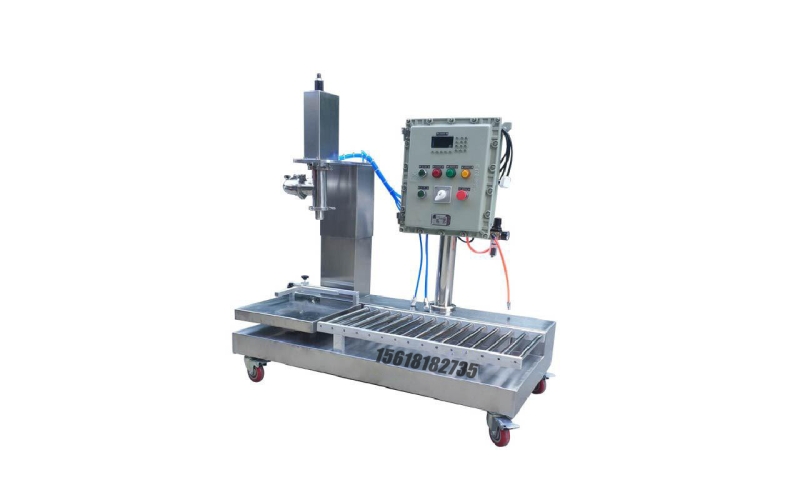
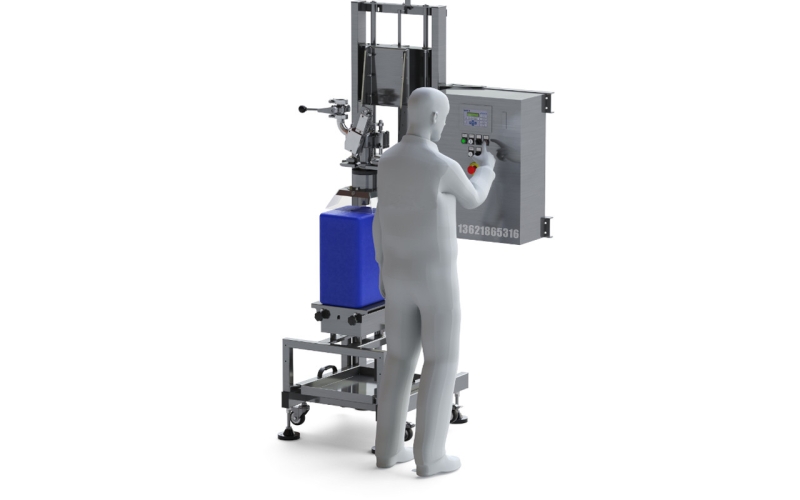
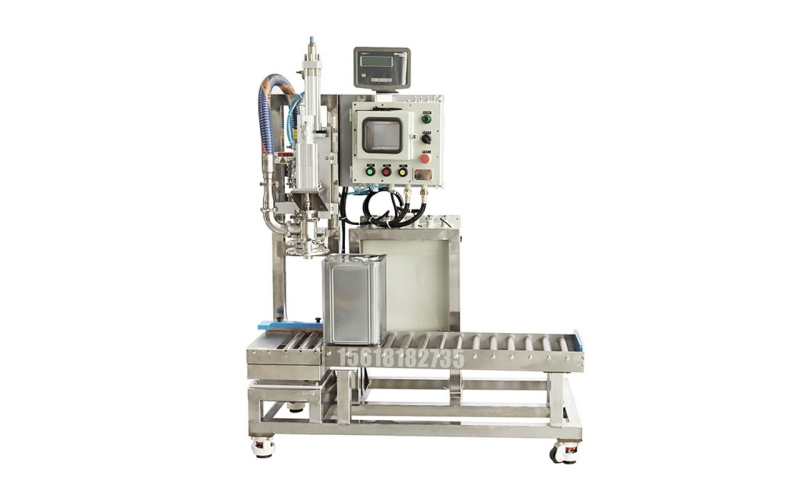
Most conventional filling machines rely on volumetric metering, calculating dosage based on fixed fluid volume. However, liquid density fluctuates drastically with temperature, viscosity shifts, and m
2026-08-20 admin 10
Most automated packaging equipment focuses on pouch, bottle, or sachet sealing, yet few specialize in end-of-line carton assembly, which is essential for finished product boxing, batch arrangement, an
2026-08-20 admin 9
Most standard filling machines, including gravity, overflow, and vacuum fillers, are engineered exclusively for thin, free-flowing liquids and struggle significantly with thick, viscous, and semi-soli
2026-08-19 admin 7
Most volumetric and weight-based filling machines prioritize fixed dosage accuracy but fail to deliver uniform liquid levels for transparent bottled products. For clear glass and plastic bottled bever
2026-08-19 admin 5