

Rotary Filling Machine: High-Speed Continuous Filling for Large-Scale Industrial Production
2026-09-01 08:35:29
admin
0
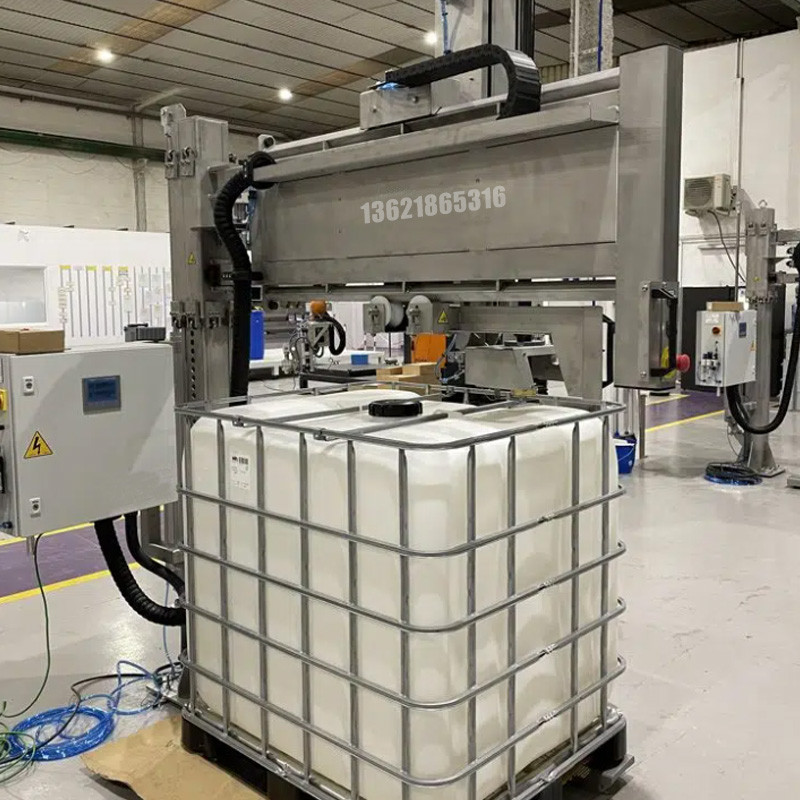
Linear filling machines dominate small and medium-batch production but face obvious bottlenecks in large-scale manufacturing. Linear intermittent operation requires frequent start-stop cycles, limiting production speed and causing unstable rhythm during long-duration runs. Conventional linear fillers also occupy lengthy workshop space, suffer from low container utilization, and generate inconsistent filling precision during high-volume continuous work. For mass-production factories specializing in beverages, daily chemicals, and food liquids, low output efficiency and unstable batch quality restrict market expansion and profit growth. This Google E-E-A-T compliant SEO article focuses exclusively on rotary filling machines, a continuous-cycle high-speed filling solution never covered in previous guides, tailored for stable, high-efficiency, large-batch liquid packaging operations.
A rotary filling machine is a circular continuous automated filling system designed for industrial mass production, differing fundamentally from linear intermittent filling equipment. It adopts a rotating turntable structure with multiple evenly distributed filling heads, realizing non-stop container feeding, filling, and discharging without frequent machine halts. Equipped with precision cam indexing systems, servo synchronous filling units, automatic bottle positioning sensors, anti-drip valve assemblies, and centralized PLC intelligent control panels, it maintains a stable cyclic working rhythm. Compatible with low-viscosity water-based liquids, medium-thickness emulsions, and homogeneous industrial liquids, it delivers far higher output and operational stability than traditional linear filling lines, becoming the core equipment for large-scale standardized production workshops.
Working Principle of Rotary Filling Machines
Rotary filling equipment adopts continuous circular indexing and synchronous multi-station filling technology, featuring a non-intermittent working mechanism completely different from linear filling systems. Core components include rotary main turntables, multi-station filling heads, cam precision indexing devices, star-wheel bottle transfer mechanisms, and synchronous speed regulation modules.
During fully automated operation, empty containers are steadily transferred to the rotary turntable via star-wheel positioning. As the turntable rotates continuously, each bottle corresponds to an independent filling station in sequence. The cam indexing system ensures precise positioning for every filling head, eliminating offset and deviation. While rotating, the system completes quantitative liquid filling in a continuous, uninterrupted state. Filled containers are automatically discharged to the next production process, and empty bottles enter the cycle immediately to realize seamless connection. The entire cyclic workflow eliminates idle time and start-stop errors, achieving ultra-stable and high-efficiency continuous filling for 24-hour industrial production.
Core Industrial Advantages
Continuous rotary circulation and multi-station synchronous design deliver unique strengths for large-batch production:
Ultra-High Continuous Production Efficiency. Non-stop cyclic filling with multiple working stations greatly improves output capacity, doubling production efficiency compared with ordinary linear filling machines.
Superior Batch Consistency. Synchronized turntable rotation and unified parameter control ensure identical filling volume, speed, and posture for every container, minimizing batch quality differences.
Space-Saving Compact Layout. Circular structure saves long linear assembly line space, optimizing workshop layout and improving overall site utilization rate.
Stable Long-Term Operation. No frequent start and stop reduces mechanical wear and vibration, lowering failure rates and extending equipment service life for continuous industrial operation.
Flexible Multi-Specification Adaptation. Adjustable turntable speed and filling stroke support flexible switching of different bottle sizes and filling volumes, meeting diversified mass production demands.
Key Industrial Application Scenarios
Rotary filling machines are widely popular in standardized large-scale liquid manufacturing industries:
Beverage Manufacturing Industry: Purified water, mineral water, fruit juice, tea drinks, and functional beverages for high-volume daily production.
Daily Chemical Industry: Bottled shampoo, body wash, hand sanitizer, and liquid detergent with unified packaging specifications.
Food Condiment Industry: Edible oil, vinegar, cooking wine, and liquid seasonings requiring stable batch quantitative filling.
General Industrial Liquid Industry: Low-corrosion industrial cleaning liquids and cooling liquids for standardized mass packaging.
Technical Limitations & Selection Guidelines
Rotary filling machines have clear application boundaries. They are more suitable for fixed-specification mass production and less cost-effective for frequent multi-product small-batch switching. They cannot process ultra-high viscosity pastes or large-particle impurity liquids.
Common Industry Misconceptions
Many manufacturers believe rotary machines are hard to debug. Modern modular design and one-key parameter memory simplify specification switching and daily debugging. Others worry high energy consumption; continuous stable operation avoids repeated start-stop energy loss, reducing comprehensive energy consumption per product.
Conclusion
Rotary filling machines fill the industry gap of high-efficiency continuous mass filling that intermittent linear filling equipment cannot support. With multi-station synchronous operation, ultra-high production capacity, stable batch quality, and space-saving layout, it solves core pain points of low output and unstable precision in large-scale production. For medium and large factories pursuing standardized mass production and long-term operational stability, the rotary filling machine is the most efficient and cost-effective industrial filling solution. (Word count: 998)


