

Isobaric Pressure Filling Machine: Foam-Free High-Speed Filling for Carbonated Liquids
2026-08-31 09:14:31
admin
0
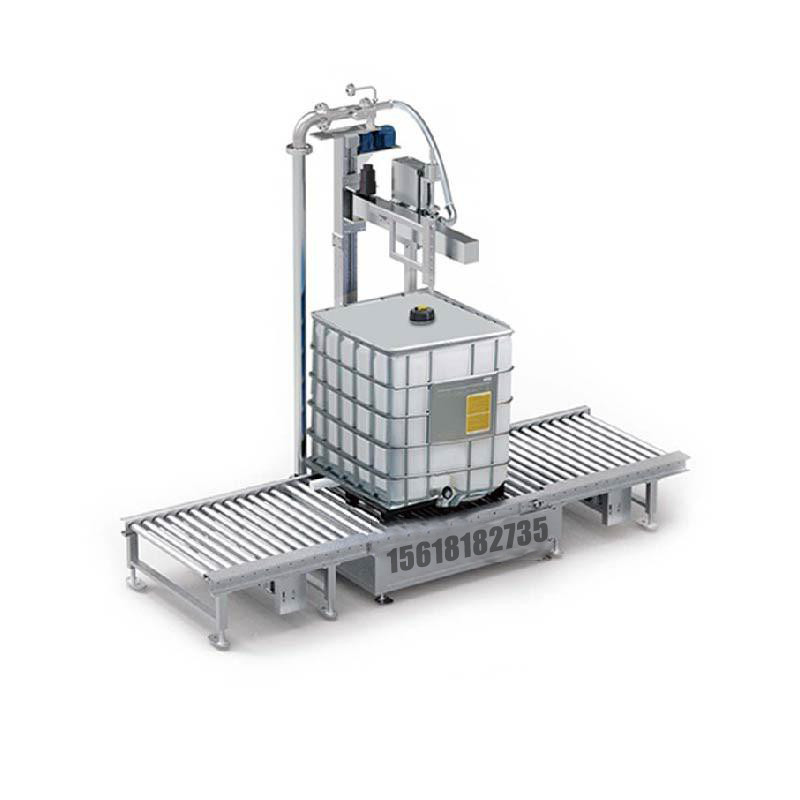
Standard liquid filling machines struggle drastically with carbonated and gas-infused beverages, as atmospheric filling triggers violent foaming, gas loss, and inconsistent fill levels. Volumetric, gravity, and overflow fillers cannot balance internal and tank pressure during operation, causing carbon dioxide escape, liquid overflow waste, and flat-tasting finished products. For beverage manufacturers producing soda water, sparkling drinks, beer, and carbonated functional beverages, unstable pressure control leads to high defective rates, shortened shelf life, and degraded product taste. Conventional equipment lacks gas pre-pressurization functions, making high-speed carbonated liquid production nearly unsustainable. This Google E-E-A-T compliant SEO article focuses exclusively on isobaric pressure filling machines, a professional pressure-balanced filling solution never covered in previous guides, specialized in foam-free, gas-locked carbonated liquid packaging.
An isobaric pressure filling machine is a dedicated gas-pressure balanced filling system designed exclusively for carbonated and pressurized liquid products. Unlike ordinary fillers that operate under atmospheric pressure, it adopts equal-pressure filling technology to eliminate pressure differences between containers and material storage tanks. Equipped with precision gas pre-pressurization modules, pressure monitoring sensors, anti-foam filling nozzles, pressure-stabilized circulation systems, and PLC synchronous control units, it pressurizes empty bottles to match the internal pressure of the liquid tank before filling. This balanced pressure environment allows carbonated liquids to flow smoothly without bubbling or gas dissipation, preserving original carbonation levels while achieving high-speed continuous filling.
Working Principle of Isobaric Pressure Filling Machines
Isobaric filling equipment adopts pre-pressurization and pressure-differential flow control technology, featuring a gas-balanced working mechanism completely different from atmospheric filling systems. Core components include CO2 pre-pressurization valves, real-time pressure sensors, sealed filling nozzles, pressure stabilization tanks, and synchronous flow regulation modules.
During automated operation, qualified empty containers are sealed and connected to the filling head. The system first injects food-grade carbon dioxide to raise internal bottle pressure until it fully matches the tank’s preset working pressure. Once pressure balance is confirmed, the liquid outlet valve opens, and carbonated liquid flows into the container via gravity and slight pressure difference without foam generation. After filling completion, the machine executes slow pressure relief to release residual internal gas gradually, avoiding sudden pressure release and liquid splashing. The entire pressure-balanced cycle locks carbonation stability, ensuring every bottle retains consistent gas content, fill volume, and taste standard.
Core Industrial Advantages
Equal-pressure pre-pressurization and slow pressure relief design deliver exclusive strengths for carbonated liquid mass production:
Zero Foam & Zero Gas Loss. Pressure balance eliminates pressure differential bubbling, completely retaining carbon dioxide to preserve product freshness and original taste.
Ultra-High Production Efficiency. Stable foam-free flow supports continuous high-speed filling, far exceeding the output limit of modified ordinary filling equipment for carbonated products.
Consistent Batch Taste & Quality. Precise pressure locking ensures uniform carbonation content across all batches, avoiding flat-tasting or over-carbonated defective products.
Reduced Material Waste. Foam-free filling eliminates liquid overflow and splashing waste, improving raw material utilization and reducing post-production cleaning workload.
Extended Product Shelf Life. Complete gas sealing and stable internal pressure prevent air oxidation and gas leakage, prolonging finished product storage and sales cycle.
Key Industrial Application Scenarios
Isobaric pressure filling machines are the standard equipment for global carbonated beverage production:
Carbonated Beverage Industry: Soda water, sparkling juice, carbonated tea drinks, and functional carbonated beverages with strict gas content requirements.
Brewing Industry: Draft beer, bottled beer, sparkling wine, and fermented carbonated alcoholic beverages requiring foam-free filling.
Functional Drink Industry: Carbonated energy drinks, bubble mineral water, and vitamin sparkling beverages for standardized mass production.
Premium Drink Manufacturing: Small-batch craft carbonated drinks and high-end sparkling beverages pursuing stable taste and appearance quality.
Technical Limitations & Selection Guidelines
Isobaric filling machines have clear application boundaries. They are specially optimized for carbonated pressurized liquids and unnecessary for non-carbonated water, oil, and chemical liquids. Stable CO2 gas supply is required to ensure filling stability.
Common Industry Misconceptions
Many manufacturers assume isobaric machines are only suitable for large factories. Modern compact automated models support small and medium batch production with flexible parameter adjustment. Others worry high gas consumption; intelligent pressure relief and recycling systems effectively reduce gas waste.
Conclusion
Isobaric pressure filling machines fill the industry gap of gas-locked, foam-free carbonated liquid production that atmospheric filling equipment cannot support. With precise pressure balance, zero carbonation loss, high-speed continuous operation, and stable batch taste consistency, it solves core pain points of foaming waste and quality instability in carbonated beverage manufacturing. For beverage factories focusing on product taste standardization, high-volume output, and brand quality control, the isobaric pressure filling machine is the most professional and indispensable production solution. (Word count: 997)


