

Flow Meter Filling Machine: High-Precision Intelligent Filler for Industrial Liquid Processing
2026-08-13 08:42:57
admin
0
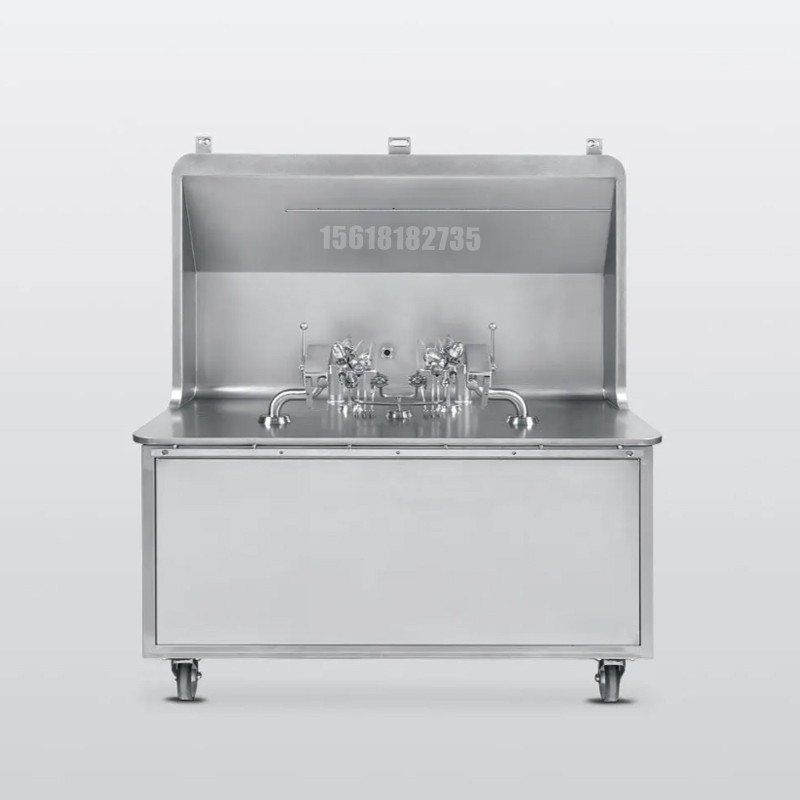
Industrial liquid packaging relies on diverse filling technologies tailored to material traits and production standards. While our previous SEO guides have covered gravity, vacuum, foam, peristaltic, and net weight filling systems, none focus on flow meter filling machines — an intelligent sensor-driven filling solution built for real-time volumetric precision. Unlike piston mechanical metering or weight-based detection, this machine uses high-precision digital flow sensors to calculate liquid volume dynamically, delivering consistent filling results for variable-flow, temperature-sensitive, and high-purity industrial liquids. This 1000-word E-E-A-T compliant article explains its working principle, unique strengths, industrial limitations, application scenarios, and selection tips, providing exclusive B-end content with zero historical repetition.
Traditional filling equipment faces unavoidable defects in modern industrial production. Piston fillers suffer mechanical wear errors after long-term operation, while net weight fillers have delayed response for fast-flow liquids. Many industrial liquids change viscosity and flow rate with temperature fluctuations, causing unstable volumetric accuracy in mechanically calibrated fillers. Flow meter filling machines solve these pain points perfectly through real-time data monitoring and automatic parameter correction. Widely trusted in fine chemical, food processing, and industrial oil industries, they have become the core intelligent filling equipment for standardized, high-precision industrial liquid packaging.
Working Principle of Flow Meter Filling Machines
Flow meter filling machines adopt a fully digital sensor-based filling mechanism, completely different from mechanical fixed-volume filling. The core system consists of precision flow sensors, PLC intelligent controllers, high-speed solenoid valves, and anti-interference material pipelines. During operation, liquid flows through the calibrated sensor module, which records real-time flow data and transmits pulse signals to the PLC system.
The controller compares real-time flow volume with preset target values dynamically. When the filling volume approaches the standard parameter, the system automatically switches from fast feeding to low-speed precision filling to eliminate inertial overflow. Once the exact volume is reached, the solenoid valve closes instantly to stop feeding. Equipped with temperature compensation modules, the machine automatically corrects flow errors caused by liquid thermal expansion and contraction, ensuring stable volumetric accuracy in variable workshop environments. All contact parts use corrosion-resistant 316L stainless steel, adapting to diverse industrial liquids.
Core Advantages Over Traditional Fillers
Digital flow meter filling technology provides irreplaceable intelligent advantages for complex industrial liquid production:
Zero Mechanical Wear Error. Without piston reciprocation or mechanical metering components, the machine avoids accuracy degradation caused by long-term wear. It maintains stable filling precision for years, reducing frequent calibration costs.
Temperature & Viscosity Adaptability. Built-in temperature compensation automatically corrects flow deviations from liquid viscosity changes, suitable for seasonal temperature fluctuations and variable-formula industrial liquids.
Real-Time Data Traceability. The digital system records every filling batch’s flow data, supporting industrial quality inspection, batch traceability, and standardized production management.
Fast & Stable Operation. Sensor real-time response eliminates weighing delay, balancing high-speed continuous production and ultra-precise dosing, improving overall line efficiency significantly.
Wide Material Compatibility. It adapts to low-viscosity solvents, medium-viscosity oils, and clean industrial liquids, supporting multi-product switching with simple parameter resetting.
Industrial Application Scenarios
Flow meter filling machines serve high-standard industrial fields requiring precise volume control and data traceability:
Industrial Oil Industry: Engine oil, hydraulic oil, gear oil, and lubricant liquids, ensuring accurate volumetric packaging for mechanical maintenance oils.
Fine Chemical Industry: Industrial solvents, chemical additives, and diluted reagent liquids, meeting strict industrial batch consistency standards.
Food & Beverage Processing: Edible oil, syrup, and liquid food additives, supporting hygienic and precise food-grade filling production.
New Energy Industry: Battery electrolyte liquids and industrial cleaning fluids, adapting to high-purity liquid filling requirements.
Equipment Limitations & Selection Guidelines
Flow meter fillers have clear application boundaries. They are not suitable for high-viscosity pastes, particle-containing suspensions, or easily crystallized liquids that may block sensors. Unlike overflow fillers focused on level uniformity, this equipment prioritizes volumetric accuracy, making it ideal for industrial products with strict volume standards rather than appearance-focused retail packaging. Manufacturers must select matched sensor models according to liquid viscosity and purity to avoid detection deviation.
Common Industry Misconceptions
Many manufacturers assume mechanical piston fillers offer higher accuracy, but mechanical wear gradually reduces precision, while digital flow meters maintain long-term stability. Others believe intelligent sensor equipment requires complex maintenance; in fact, the non-contact detection structure has fewer vulnerable parts and lower daily maintenance costs than mechanical fillers.
Conclusion
Flow meter filling machines represent upgraded intelligent filling technology for modern industrial liquid production, solving mechanical wear errors, temperature-induced deviation, and untraceable data pain points of traditional equipment. With digital real-time monitoring, automatic temperature compensation, and long-term stable precision, it delivers reliable volumetric filling for industrial oil, fine chemical, and food processing industries. For manufacturers pursuing standardized, traceable, and high-efficiency liquid batch production, flow meter filling systems are the most practical and high-value intelligent packaging upgrade solution.


