

Foam Filling Machine: Professional Low-Disturbance Filler for Foam-Prone Liquid Products
2026-08-13 08:38:51
admin
0
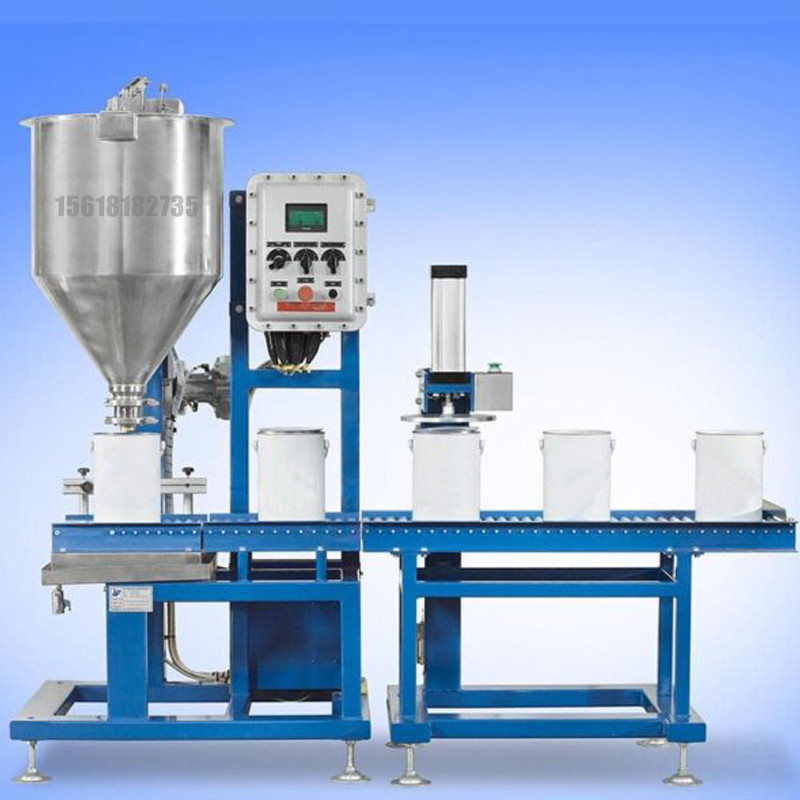
Most standard liquid filling machines are designed for stable, low-foam materials and struggle significantly with foam-prone liquids that trap air and generate persistent bubbles during packaging. This unique SEO-optimized article focuses exclusively on foam filling machines, a specialized packaging solution never covered in our previous filling machine guides. Unlike generic fillers that cause overflow, inaccurate filling levels, and messy bottle contamination, professional foam filling machines adopt low-turbulence, anti-foam filling technology tailored for soapy liquids, carbonated mixtures, and aerated solutions. Complying with Google E-E-A-T standards, this 1000-word guide explains core functions, working principles, key advantages, industrial use cases, and common equipment selection mistakes for foam-sensitive production lines.
Foamy liquids are widely used in daily chemical, beverage, and cleaning product industries. Materials such as hand soap, dish detergent, carbonated drinks, shampoo, and industrial foaming cleaners produce dense bubbles during high-speed filling. Conventional filling equipment creates strong liquid turbulence and air mixing, leading to foam overflow, bottle mouth residue, uneven filling volumes, and extended standing time before capping. These issues reduce production efficiency, increase material waste, and damage finished product appearance. Foam filling machines solve these industry pain points with targeted structural design, enabling fast, clean, and accurate filling for all foam-prone liquid materials.
Working Principle of Foam Filling Machines
Foam filling machines feature a specialized low-disturbance filling system that completely differs from standard gravity or pressure filling structures. The core design focuses on suppressing bubble generation and eliminating existing foam during filling. Instead of top-down high-speed liquid pouring that stirs massive air into the liquid, the machine uses submerged bottom-up filling technology. Filling nozzles extend deep into the bottle and rise slowly as the liquid level increases, minimizing liquid agitation and air incorporation.
Equipped with adjustable flow control valves, the machine automatically switches between fast filling and slow fine filling modes. The high-flow stage improves overall production speed, while the low-flow stage eliminates foam accumulation near the bottle mouth. Many upgraded models integrate micro-defoaming modules and backflow pipelines to discharge trapped tiny bubbles. The intelligent PLC system adapts flow speed according to liquid foaming intensity, ensuring zero overflow, zero residue, and consistent filling volume for every finished container.
Core Advantages Over Standard Fillers
Professional foam filling equipment delivers targeted benefits that generic filling machines cannot match for foamy liquid production:
Effective Foam Suppression. Submerged low-turbulence filling fundamentally reduces air mixing and bubble generation. It eliminates foam overflow and bottle surface contamination, keeping every bottle clean and neat without manual wiping.
Consistent Filling Accuracy. Foam buildup often causes virtual full bottles, leading to underfilled products after bubble dissipation. Foam filling technology ensures actual liquid volume meets standards, avoiding batch weight errors and customer complaints.
Higher Production Efficiency. Traditional lines require long waiting times for foam dissipation before capping. Foam filling machines allow immediate capping after filling, greatly shortening production cycles and improving line throughput.
Reduced Material Waste. Zero foam overflow eliminates continuous raw material loss during mass production, improving material utilization rates and lowering long-term production costs for manufacturers.
Wide Foamy Liquid Compatibility. The adjustable flow system adapts to mild foaming beverages and high-foaming daily chemicals, supporting multi-product switching without equipment replacement.
Main Industrial Applications
Foam filling machines are essential equipment for industries relying on foamy liquid production:
Daily Chemical Industry: Shampoo, body wash, hand sanitizer, dish soap, laundry detergent, and various foaming cleaning agents, achieving clean and efficient batch filling.
Beverage Industry: Carbonated drinks, sparkling water, foaming fruit beverages, and aerated functional drinks, maintaining stable liquid levels without bubble overflow.
Industrial Cleaning Industry: Foaming industrial degreasers, foam detergents, and aerated cleaning solutions for commercial and industrial packaging.
Equipment Limitations & Selection Tips
Foam filling machines are professionally optimized for foam-prone liquids and deliver no extra advantages for non-foaming pure water or high-viscosity pastes. Manufacturers should select dedicated foam filling models instead of universal fillers if their products consistently produce bubbles. For high-foam concentrated formulas, choose models with independent defoaming backflow systems to achieve optimal filling results.
Common Industry Misconceptions
Many factory owners believe speeding up production is more important than foam control, yet foam overflow leads to higher defective rates and material waste that offset efficiency gains. Others assume manual defoaming solves all problems, but manual intervention causes inconsistent product quality and cannot support standardized mass production. Dedicated foam filling machines remain the only stable long-term solution.
Conclusion
Foam-related filling problems are a common but overlooked bottleneck in foamy liquid product manufacturing. Standard filling machines fail to control turbulence and bubble generation, resulting in waste, inaccurate dosing, and unqualified product appearance. Specialized foam filling machines utilize bottom-up low-disturbance filling and intelligent flow adjustment to suppress foam generation, ensure precise filling, and streamline production workflows. For daily chemical, beverage, and industrial cleaning product manufacturers, this professional anti-foam filling equipment optimizes production stability, reduces operational costs, and improves overall product market competitiveness.


