

Net Weight Filling Machine: Precision Weight-Based Filler for Variable-Density Industrial Liquids
2026-08-25 08:39:13
admin
0
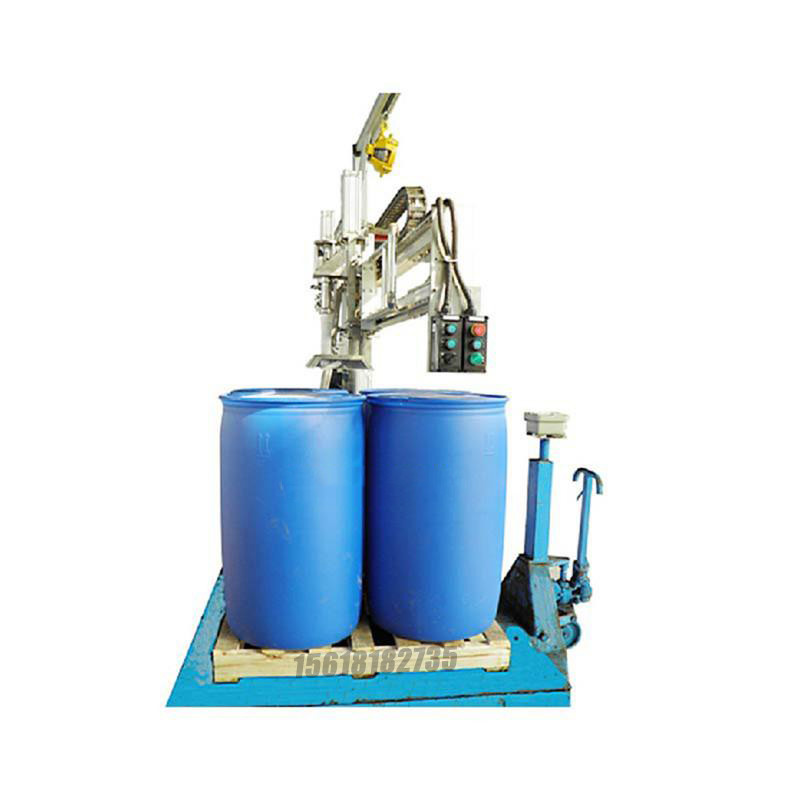
Most industrial filling systems rely on volumetric measurement, calculating dosage based on fixed liquid volume rather than actual product weight. This traditional method causes unavoidable quality deviations for temperature-sensitive, density-variable liquids such as edible oil, industrial lubricants, paints, and chemical solvents. Volume-based fillers fail to compensate for density fluctuations caused by ambient temperature changes, leading to inconsistent net weight, non-compliant batches, and commercial measurement errors. For manufacturers selling products by weight or handling materials with unstable physical properties, standard volumetric fillers cannot meet legal metrology standards. This Google E-E-A-T compliant SEO article focuses exclusively on net weight filling machines, a professional weight-driven filling solution never covered in previous guides, designed for high-precision, law-compliant industrial filling.
A net weight filling machine is a sophisticated industrial filling device that utilizes high-precision load cell sensors to measure product weight directly during filling. Unlike piston, flow meter, or overflow fillers that calculate volume first and convert it to weight, this equipment adopts a pure weight-based working logic, dispensing materials until the container reaches the exact preset weight. It features real-time weight feedback, automatic density compensation, and dynamic flow adjustment, completely eliminating errors caused by liquid density and temperature variations. Ideal for large-capacity containers and high-value industrial liquids, net weight fillers ensure 100% metrological compliance, stable batch consistency, and zero overfilling waste for commercial and industrial packaging lines.
Working Principle of Net Weight Filling Machines
Net weight filling equipment adopts sensor real-time weighing and dual-speed flow regulation technology, featuring a weight-first mechanism distinct from all volume-based filling systems. Core components include high-precision digital load cells, anti-vibration weighing platforms, fast/slow flow solenoid valves, real-time data processors, and PLC intelligent compensation control systems.
During operation, empty containers are stably placed on the anti-vibration weighing platform, which automatically tare zero to eliminate container weight interference. The system first activates high-speed flow feeding to improve overall production efficiency. As the liquid weight approaches the target value, the PLC system instantly switches to low-speed precision filling to avoid inertial overfilling. High-sensitivity load cells continuously transmit real-time weight data, dynamically correcting feeding speed according to liquid flow stability and density changes. Once the exact target weight is achieved, the system cuts off the liquid supply instantly. The whole process relies entirely on actual weight measurement, ensuring accurate and reliable filling results regardless of external temperature and liquid property changes.
Core Industrial Advantages
Professional weight-based filling design delivers irreplaceable strengths for weight-standard industrial production:
Temperature & Density Adaptability. Direct weight measurement requires no volume-to-weight conversion, automatically offsetting errors from liquid thermal expansion, density fluctuation, and ambient temperature variation.
Legal Metrology Compliance. Accurate real-time weighing fully meets international commercial measurement standards, avoiding regulatory penalties and customer complaints caused by insufficient net weight.
Zero Overfilling Waste. Dual-speed cutoff control prevents over-dispensing of high-value oils, paints, and chemical liquids, drastically reducing raw material loss and improving profit margins.
Large Container Compatibility. It performs excellently for jerry cans, barrels, and large buckets, maintaining stable precision that small-volume volumetric fillers cannot achieve.
Intelligent Data Traceability. Automatic recording of filling weight data supports batch quality tracking, facilitating standardized factory management and quality inspection audits.
Key Industrial Application Scenarios
Net weight filling machines are essential for weight-based commercial packaging across core industries:
Edible Oil Industry: Olive oil, peanut oil, sunflower oil, and blended cooking oil sold by strict weight standards for retail and wholesale markets.
Chemical Industry: Industrial lubricants, hydraulic oils, paint solvents, and liquid additives with variable density and high commercial value.
Agrochemical Sector: Liquid pesticides, herbicides, and fertilizer solutions requiring precise weight dosing for agricultural usage standardization.
New Energy Industry: Industrial electrolyte liquids, cleaning solvents, and special chemical materials with strict batch weight consistency requirements.
Technical Limitations & Selection Guidelines
Net weight filling machines have clear usage boundaries. Vibration and airflow interference may affect weighing accuracy, requiring stable workshop environments. They are less efficient for ultra-small micro-dosing filling scenarios, where volumetric fillers remain more suitable.
Common Industry Misconceptions
Many manufacturers assume weight-based filling is slower than volume filling. Modern dual-speed flow control balances speed and precision, delivering qualified mass production efficiency. Others believe weighing sensors require frequent calibration; industrial-grade load cells feature long-term stability with only routine quarterly calibration needed.
Conclusion
Net weight filling machines solve the inherent defects of density deviation and temperature drift that plague traditional volumetric filling equipment. With direct weight measurement, automatic environmental compensation, metrological compliance, and minimal material waste, it perfectly serves weight-standardized industrial and commercial liquid packaging. For enterprises pursuing legal compliance, stable batch quality, and refined cost control for high-value liquid products, the net weight filling machine is the most accurate, reliable, and audit-friendly automated filling solution.


