

Net Weight Filling Machine: Precision Gravimetric Filling for Temperature-Sensitive & Regulated Liquids
2026-08-20 08:41:57
admin
0
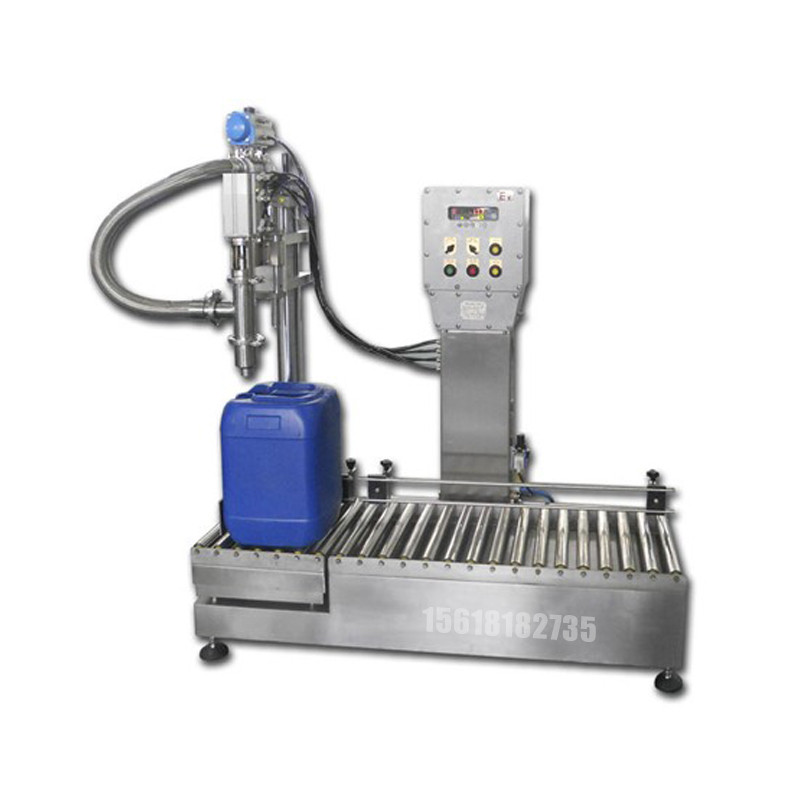
Most conventional filling machines rely on volumetric metering, calculating dosage based on fixed fluid volume. However, liquid density fluctuates drastically with temperature, viscosity shifts, and material concentration changes, causing unavoidable volume-to-mass errors. Volumetric fillers, flow meter systems, and timed filling devices cannot compensate for these physical variations, leading to overweight waste, underweight non-compliance, and inconsistent batch quality. For regulated commercial products sold by net weight, minor metering deviations can trigger certification failures and customer disputes. This Google E-E-A-T compliant SEO article focuses exclusively on net weight filling machines, a professional gravimetric filling technology never covered in our previous guides. Using high-precision load cell sensors and real-time weight tracking, it delivers law-compliant, temperature-independent filling for high-value and regulated liquid goods.
Industrial liquid production faces persistent metering challenges that volume-based systems cannot resolve. Edible oil, industrial coatings, chemical solvents, and premium syrups feature variable density under different workshop temperatures. Volume-based filling reads fixed flow values but ignores actual mass changes, resulting in unstable net weight across finished products. Manufacturers either lose profits from overfilling or risk regulatory penalties from underfilling. Unlike all volumetric filling equipment, net weight filling machines measure products directly by mass rather than volume. This fundamental difference eliminates density and temperature interference, ensuring every finished container meets standardized net weight requirements. It has become the gold-standard solution for weight-regulated industrial and food-grade filling lines.
Working Principle of Net Weight Filling Machines
Net weight filling machines adopt gravimetric weighing filling technology, with a unique operational logic completely different from piston, flow meter, and pressure fillers. Core components include high-precision load cell sensors, anti-vibration weighing platforms, PLC weight control systems, dual-speed filling valves, and automatic tare calibration modules. The entire process focuses on real-time mass measurement rather than fluid volume calculation.
During operation, empty containers are placed on the stable anti-vibration weighing platform. The system automatically performs tare zeroing to eliminate container weight errors caused by uneven bottle wall thickness or batch differences. The filling nozzle opens for bulk high-speed feeding to improve production efficiency. As the liquid weight approaches the preset target, the system instantly switches to low-speed dribble filling to prevent overshooting. Load cell sensors transmit real-time weight data to the PLC controller for dynamic adjustment. Once reaching the exact target net weight, the valve closes immediately. This dual-stage filling mechanism guarantees ultra-precise mass control regardless of liquid density and temperature fluctuations.
Core Advantages Over Volumetric Fillers
Professional net weight gravimetric filling provides irreplaceable strengths for regulated liquid production:
Temperature & Density Immunity. Direct mass measurement requires no density correction, completely solving filling errors caused by temperature changes, viscosity variation, and material concentration shifts.
Regulatory Compliance & Zero Penalty Risk. Accurate net weight output fully meets global commercial weighing standards, avoiding market supervision penalties and customer complaints from unqualified net content.
Maximized Raw Material Savings. Precise closed-loop weight control eliminates excessive overfilling waste, greatly improving material utilization and reducing long-term production costs for high-value liquids.
Superior Batch Consistency. Real-time dynamic weight calibration ensures uniform net weight for every batch, stabilizing product quality and enhancing brand market credibility.
Powerful Material Adaptability. It works seamlessly with oils, pastes, suspensions, and temperature-sensitive chemical liquids that confuse traditional volumetric metering systems.
Key Industrial Application Scenarios
Net weight filling machines are widely deployed for weight-standardized high-value liquid production:
Edible Oil Industry: Peanut oil, olive oil, and blended cooking oil strictly regulated by net weight labeling for retail sales.
Fine Chemical Industry: Industrial lubricants, coatings, paint slurries, and high-purity chemical solvents with variable density characteristics.
Food & Beverage Industry: High-concentration syrups, honey mixtures, and thick condiments requiring accurate mass measurement.
Pharmaceutical & Daily Chemical Industry: Premium skincare essences, medicinal liquids, and high-value disinfectants pursuing precise dosage control.
Technical Limitations & Selection Guidelines
Net weight filling machines have clear application boundaries. Weighing sensors require stable anti-vibration environments, making them less suitable for ultra-high-speed lightweight small-bottle production. They prioritize weight accuracy over extreme speed compared with rotary volumetric lines. This equipment is ideal for manufacturers focusing on compliance, quality stability, and high-value material cost control.
Common Industry Misconceptions
Many manufacturers assume weight filling is slow and inefficient. Modern dual-speed filling design balances precision and output, fully meeting medium and large-batch commercial production needs. Others worry sensor instability; industrial-grade load cells feature anti-interference and self-calibration functions to maintain long-term accurate operation.
Conclusion
Net weight filling machines fill the market gap in temperature-resistant, regulation-compliant precision filling, solving density deviation errors and compliance risks of traditional volumetric filling equipment. With direct gravimetric measurement, zero temperature interference, strict net weight accuracy, and significant material savings, it meets high-standard production demands for regulated and high-value liquids. For enterprises pursuing standardized compliance, stable batch quality, and refined cost control, net weight filling machines are the most reliable and future-proof automated filling solution.


