

Piston Filling Machine: Precision Positive Displacement Filler for Viscous & Semi-Solid Products
2026-08-19 09:02:30
admin
0
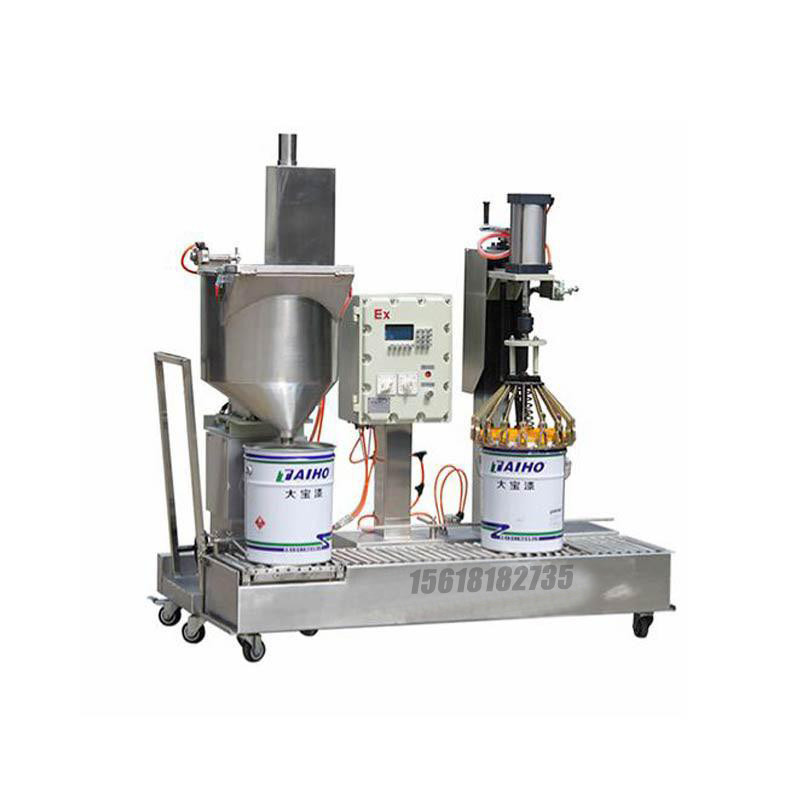
Most standard filling machines, including gravity, overflow, and vacuum fillers, are engineered exclusively for thin, free-flowing liquids and struggle significantly with thick, viscous, and semi-solid materials. Low-fluidity substances like creams, pastes, and thick sauces cannot flow steadily via gravity or pressure difference, leading to uneven dosing, pipeline blockages, and discontinuous production. While gear pump fillers work for moderate viscosity products, they fail to handle ultra-thick semi-solids and may crush solid particles inside dense formulas. This unique Google E-E-A-T compliant SEO article focuses solely on piston filling machines, a robust positive displacement filling technology never covered in our previous equipment guides. Powered by mechanical piston thrust and fixed cylinder volume metering, this industrial filler delivers ultra-stable, high-precision filling for thick liquids, pastes, and particle-containing viscous products. This 1000-word guide details its working principle, core advantages, industrial applications, limitations, and professional purchasing advice for global manufacturing facilities.
Viscous and semi-solid product packaging presents persistent challenges for modern production lines. Thick food pastes, cosmetic creams, and industrial greases feature high flow resistance, making automatic filling extremely difficult with conventional equipment. Manual filling leads to massive material waste, low output efficiency, and unsanitary production conditions, failing commercial batch standards. Many manufacturers attempt to dilute thick materials for machine filling, which compromises product texture, formula purity, and market competitiveness. Piston filling machines eliminate these industry pain points completely. Adopting mechanical push-type quantitative filling, they rely on physical cylinder volume calibration instead of liquid fluidity, enabling stable filling for all thick and semi-solid products without formula modification or texture damage.
Working Principle of Piston Filling Machines
Piston filling machines adopt mechanical positive displacement metering, featuring a working mechanism fundamentally different from fluid-dependent filling systems. Core components include precision filling cylinders, stainless steel pistons, servo drive mechanisms, one-way check valves, anti-leakage nozzles, and PLC quantitative control panels. The entire filling process depends on fixed mechanical volume displacement for consistent, repeatable results.
During operation, the servo system pulls the piston backward to create negative pressure inside the cylinder, automatically sucking viscous materials into the fixed-volume cylinder chamber. The one-way valve prevents material backflow and ensures complete cylinder filling. After material suction finishes, the piston pushes forward steadily at a controlled speed, extruding the exact volume of material through the filling nozzle into packaging containers. Operators can adjust piston stroke length via the PLC panel to change cylinder loading volume, realizing flexible dosage switching from small micro-doses to large-capacity filling. The mechanical extrusion method requires no liquid fluidity, ensuring smooth filling even for ultra-thick pastes and suspensions with fine solid particles.
Core Advantages Over Traditional Fillers
Professional piston positive displacement technology delivers irreplaceable strengths for viscous product production:
Ultra-Wide Viscosity Adaptability. It effortlessly processes thin liquids, thick oils, dense pastes, and semi-solid products, covering more high-viscosity formulas than any fluid-based filling equipment.
Industry-Leading Filling Precision. Fixed cylinder volume and servo piston control ensure minimal dosage deviation, maintaining consistent batch quality and reducing defective product rates effectively.
Particle-Friendly Extrusion. Slow, steady mechanical extrusion avoids crushing suspended solid particles in sauces and creams, preserving original product texture and ingredient integrity.
Zero Blockage & Stable Operation. Direct mechanical push feeding eliminates pipeline clogging issues common with pump-driven fillers, ensuring uninterrupted long-term production.
Simple Structure & Low Maintenance. Minimal wearing parts and detachable cylinder components simplify daily cleaning and maintenance, reducing long-term operational costs.
Key Industrial Application Scenarios
Piston filling machines are widely adopted for high-viscosity product packaging across core industries:
Food Processing Industry: Ketchup, chili sauce, peanut butter, jam, mayonnaise, honey paste, and thick dairy creams with fine particle additives.
Cosmetic & Personal Care Industry: Facial cream, body lotion, hair mask, exfoliating gel, and thick skincare essences requiring gentle filling.
Pharmaceutical Industry: Medicinal ointments, healing pastes, and thick herbal extracts with strict hygiene and texture protection standards.
Chemical Industry: Industrial grease, thick coatings, adhesive pastes, and high-viscosity industrial emulsions for commercial packaging.
Technical Limitations & Selection Guidelines
Piston filling machines have clear application boundaries. They focus on viscous and semi-solid products and are less cost-effective for mass production of ordinary thin water-based liquids. High-speed ultra-large-batch production is limited by mechanical piston movement cycles. This equipment is the ideal choice for factories specializing in thick, paste-like, and particle-containing product lines.
Common Industry Misconceptions
Many buyers assume piston fillers have slow production speed. Modern multi-head piston designs greatly improve hourly output, balancing precision and efficiency for commercial mass production. Others worry piston movement causes material contamination; food-grade stainless steel components and fully detachable structures support thorough sanitization for hygienic production.
Conclusion
Piston filling machines fill the market gap in high-precision viscous and semi-solid product filling, solving poor fluidity adaptation, blockage failures, and texture damage of traditional filling equipment. With universal viscosity compatibility, stable mechanical metering, particle protection performance, and low maintenance costs, it serves as the optimal solution for diversified thick product production. For manufacturing enterprises focusing on high-viscosity formula processing and high-quality standardized packaging, piston filling machines are reliable, cost-effective, and indispensable automated filling equipment.


