

Weight Filling Machine: Gravimetric Filling Machine for High-Precision Weight-Based Liquid & Paste Packaging
2026-08-18 08:35:20
admin
0
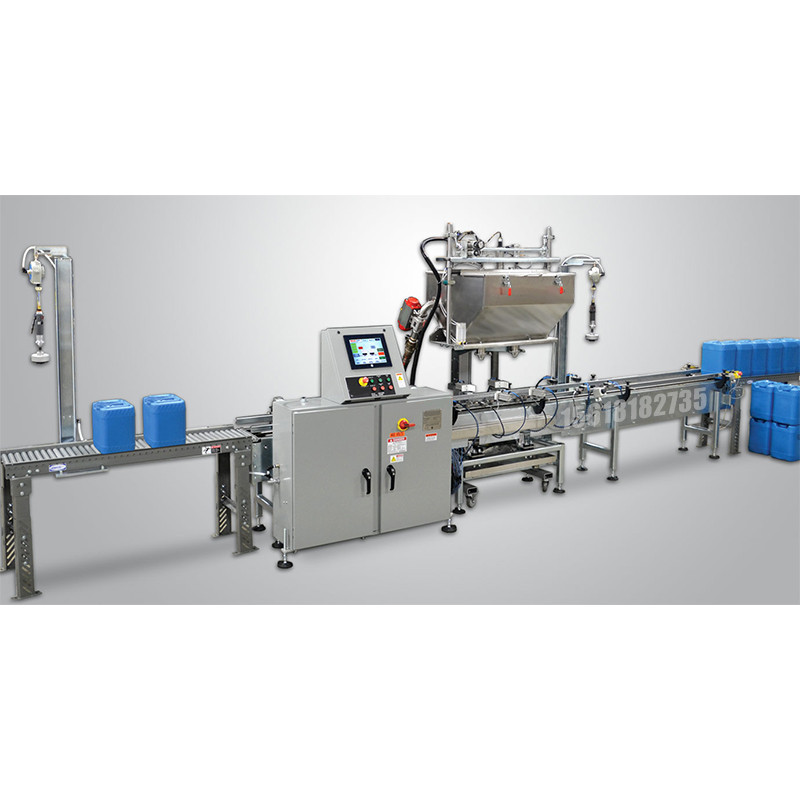
Most traditional filling machines rely on volumetric metering, calculating filling volume through fixed strokes, flow rates, or mechanical cavities. This measurement method causes unavoidable errors affected by liquid density, temperature, viscosity changes, and air bubbles, failing to meet strict weight-standard packaging requirements for commercial and industrial products. This exclusive Google SEO & E-E-A-T compliant article focuses on weight filling machines, a professional gravimetric filling technology never covered in previous equipment guides. Different from all volumetric fillers, this machine adopts real-time electronic weighing sensing to control filling volume directly by weight, delivering ultra-accurate, error-free packaging for high-value and standard-regulated products. This 1000-word guide covers its working principle, core advantages, limitations, industrial applications, and professional buying advice for global manufacturing enterprises.
For industries with strict legal weight labeling and quality control standards, volumetric filling has always been a major quality pain point. Temperature fluctuations in workshop environments change liquid density, while thick pastes and oily liquids carry tiny air bubbles, leading to inconsistent actual net weight even with identical volumetric parameters. This issue causes product non-compliance, customer complaints, and batch rejection losses for manufacturers. Manual weight checking and secondary compensation waste massive labor and time costs. Weight filling machines completely eliminate volumetric measurement errors. Adopting direct gravimetric detection and real-time feedback adjustment, they take weight as the only filling standard, ensuring every finished product meets legal measurement requirements regardless of liquid status changes.
Working Principle of Weight Filling Machines
Weight filling machines adopt intelligent gravimetric closed-loop control technology, featuring a working mechanism fundamentally different from piston, flow, and peristaltic volumetric filling systems. Core components include high-precision load cell sensors, intelligent weighing controllers, adjustable feeding valves, anti-shake weighing platforms, and PLC real-time feedback systems. The entire filling process is driven by weight data rather than fixed mechanical parameters.
During production, containers are stably placed on the anti-shake weighing platform. The high-sensitivity load cell continuously captures real-time weight data and transmits signals to the intelligent controller. The system starts fast-speed pre-filling to improve efficiency; when approaching the preset target weight, it automatically switches to low-speed fine filling to avoid inertial overflow. Once the exact standard weight is reached, the feeding valve closes instantly to stop filling. The closed-loop feedback system automatically compensates for environmental vibration, liquid flow inertia, and material density changes, ensuring stable and accurate weight output for every single container without manual calibration.
Core Advantages Over Volumetric Fillers
Professional gravimetric filling technology provides irreplaceable advantages for standardized weight-based production:
Temperature & Density Adaptability. Different from volumetric equipment affected by fluid physical changes, weight filling uses fixed weight standards, eliminating errors caused by temperature fluctuation, density deviation, and bubble inclusion.
Legal Measurement Compliance. Exact weight output fully meets international trade measurement regulations, avoiding market supervision penalties and customer return risks caused by insufficient net weight.
High-Value Material Cost Saving. Precise closed-loop weighing control avoids over-filling waste of expensive essential oils, industrial adhesives, and premium edible oils, greatly reducing raw material consumption.
Wide Material Compatibility. It adapts seamlessly to thin liquids, oily fluids, medium-viscosity pastes, and particle-containing mixtures, breaking the viscosity limits of traditional fixed-metering fillers.
Zero Frequent Calibration. Intelligent real-time correction removes the need for repeated parameter debugging, maintaining long-term stable accuracy and reducing daily equipment maintenance workload.
Key Industrial Application Scenarios
Weight filling machines are widely used in weight-regulated and high-value product industries worldwide:
Edible Oil Industry: Olive oil, sesame oil, and premium blended cooking oil with strict trade weight standards and high raw material value.
Fine Chemical Industry: Industrial lubricants, high-purity solvents, and customized chemical additives requiring accurate weight proportioning.
Premium Cosmetic Industry: Luxury essential oils, concentrated serums, and thick skincare pastes where overfilling or underfilling severely affects product profits.
Food & Condiment Industry: High-end sauces, honey, and concentrated syrups that are sensitive to temperature and prone to volumetric errors.
Technical Limitations & Selection Guidelines
Weight filling machines have clear application boundaries. Weighing sensors are sensitive to severe vibration and strong wind interference, requiring stable workshop environments. They feature lower filling speed than high-speed rotary volumetric lines, making them unsuitable for ultra-high-speed mass production of low-cost ordinary products. This equipment is the best choice for manufacturers prioritizing weight accuracy, compliance, and cost control over extreme production speed.
Common Industry Misconceptions
Many buyers believe weight filling machines are less efficient. Modern dual-speed filling design balances precision and speed, fully meeting medium and large-batch production needs. Others worry sensors are fragile and unstable, but industrial-grade anti-shake load cells support long-term continuous operation with durable and reliable performance.
Conclusion
Weight filling machines fill the market gap in accurate weight-based standardized packaging, solving density errors, temperature deviation, and non-compliant weight issues of traditional volumetric filling equipment. With real-time gravimetric closed-loop control, wide material adaptability, regulatory compliance, and effective material cost control, it delivers a reliable solution for high-value product manufacturing. For enterprises pursuing quality stability, trade compliance, and profit optimization, weight filling machines are the most trustworthy and cost-effective automated filling equipment.


