

Gravity Filling Machine: Low-Cost High-Purity Filler for Clean Low-Viscosity Liquid Packaging
2026-08-17 08:52:23
admin
0
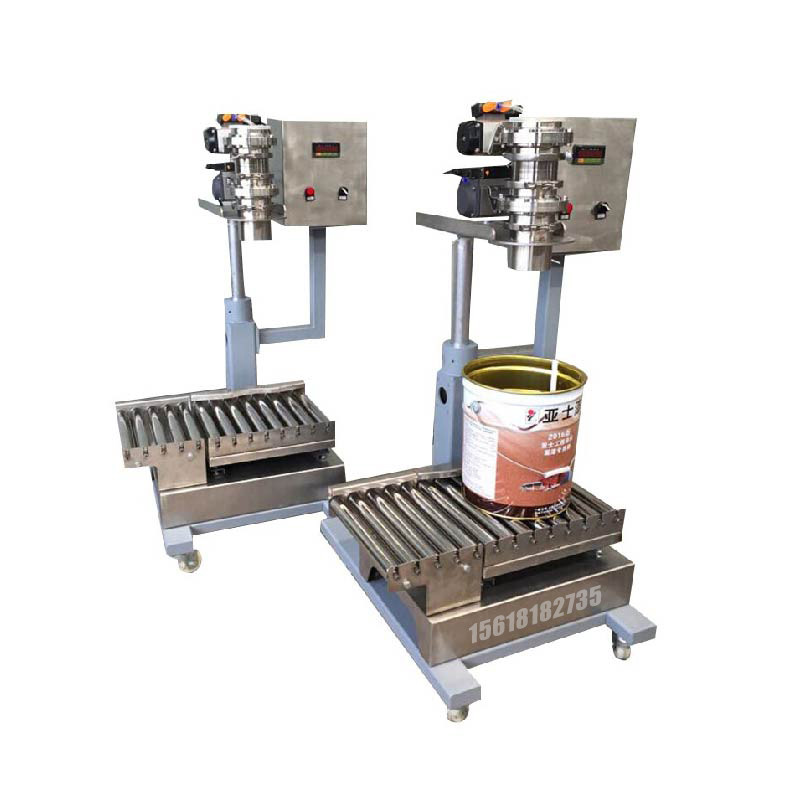
Many liquid packaging operations over-invest in complex servo, pressure, or pump-driven filling systems for simple, clean, low-viscosity products that require no high-pressure metering or shear-resistant processing. Sophisticated filling equipment brings unnecessary maintenance costs, complex debugging, and higher failure rates for basic water-based liquid production. This original Google E-E-A-T compliant SEO article focuses exclusively on gravity filling machines, a reliable mechanical filling solution never covered in our previous equipment guides. Leveraging natural gravitational flow and timed valve control, this straightforward filler delivers clean, contamination-free, and cost-effective filling for thin, particle-free liquids. This 1000-word professional guide covers its working principle, core advantages, technical limitations, industrial applications, and practical buying tips for global small-to-medium manufacturers.
Basic liquid production lines face unique cost and stability dilemmas with modern high-tech fillers. Pump and piston fillers introduce mechanical friction risks, tiny debris contamination, and regular wearable part replacement, raising long-term operational expenses. Intelligent servo and flow meter fillers require professional parameter tuning and routine sensor calibration, which is excessive for standardized low-viscosity liquid packaging. Gravity filling machines perfectly solve these pain points. Adopting pure gravity flow and mechanical timing control without pump pressure or mechanical extrusion, they achieve ultra-clean filling with minimal mechanical components, zero material pollution, and ultra-low maintenance costs, becoming the most cost-efficient mainstream equipment for clean thin-liquid mass production.
Working Principle of Gravity Filling Machines
Gravity filling machines operate on natural gravitational fluid mechanics, featuring a simplified mechanical structure completely different from pressure, vacuum, or positive-displacement fillers. Core components include a high-level material storage tank, precision timing control valves, anti-corrosion filling nozzles, photoelectric container sensors, and PLC timing adjustment systems. The entire filling process relies entirely on natural liquid gravity without external pressure or pump propulsion.
During operation, qualified liquid materials are stored in the elevated sealed tank to maintain stable liquid pressure. When photoelectric sensors detect empty bottles in place, the system opens the filling valve automatically. Thin liquid flows steadily into containers via gravity. Operators set precise filling durations through the PLC system; longer valve opening times deliver larger volumes, while shorter times produce smaller doses. Once the preset time elapses, valves close instantly to stop liquid flow, and anti-drip nozzles prevent residual liquid dripping. The whole mechanical process avoids fluid turbulence, foam generation, and mechanical contact pollution, ensuring smooth and clean filling for every container.
Core Advantages Over Advanced Filling Systems
Professional gravity filling technology provides unmatched economical and sanitary strengths for basic liquid production:
Zero Mechanical Contamination Risk. No pumps, gears, or pistons contact the liquid, eliminating metal debris, friction residues, and secondary pollution, ideal for pure and food-grade clean liquid production.
Ultra-Low Operational & Maintenance Costs. Simplified mechanical structure features fewer wearable parts, reducing daily maintenance, component replacement, and equipment failure rates significantly.
Stable & Consistent Filling Quality. Fixed timing and stable gravity pressure ensure uniform filling volume for each batch, avoiding flow fluctuations caused by pump speed instability.
Foam-Free Gentle Filling. Natural gravity flow produces no liquid agitation or pressure impact, effectively suppressing foam generation for clear thin liquids and ensuring tidy bottle mouths.
Simple Operation & Fast Debugging. Intuitive timing parameter adjustment requires no professional technical knowledge, supporting quick production startup and simple batch switching.
Key Industrial Application Scenarios
Gravity filling machines are widely popular in standardized clean low-viscosity liquid industries:
Beverage Industry: Purified water, mineral water, clear fruit drinks, and plain tea water, ensuring pure and clean beverage packaging without impurity pollution.
Daily Chemical Industry: Transparent lotion, purified water-based toner, diluted cleaning liquid, and floral water, meeting civilian clean cosmetic packaging standards.
Medical & Sanitary Industry: Sterile purified water, medical diluent, and mild disinfectant liquid, supporting high-purity medical-grade filling requirements.
Industrial Auxiliary Industry: Water-based cutting fluid, diluted industrial solvent, and clean additive liquid, realizing stable and low-cost industrial liquid packaging.
Technical Limitations & Selection Guidelines
Gravity filling machines have clear application boundaries. They only adapt to low-viscosity, particle-free, free-flowing liquids and cannot handle high-viscosity pastes, oily liquids, or granular suspensions. Timing metering is less precise than servo or weighing filling, making it unsuitable for high-precision high-value liquid production. Manufacturers producing standard clean thin liquids should prioritize gravity fillers for cost savings, while complex materials require professional customized filling equipment.
Common Industry Misconceptions
Many buyers mistakenly regard gravity fillers as outdated and low-precision equipment. In fact, modern PLC timing calibration ensures accuracy fully meeting commercial batch standards. Others believe simple structures mean unstable performance, but fewer wearable components lead to more stable long-term operation and lower failure rates than complex intelligent fillers.
Conclusion
Gravity filling machines fill the market gap in low-cost, high-purity standardized thin-liquid packaging, solving excessive investment, complex maintenance, and secondary pollution issues of advanced filling equipment. With contamination-free gravity flow, ultra-low operational costs, stable batch consistency, and simple daily operation, it delivers optimal cost-performance packaging solutions for small and medium-sized manufacturing enterprises. For factories focusing on clean standard liquid production, stable long-term operation, and budget control, gravity filling machines remain the most practical and cost-effective automated filling equipment choice.


